How to Run Travel Agent Background Checks: Step-by-Step
Hiring a travel agent is more than just reviewing a resume. You are placing a significant amount of trust in this person to handle sensitive client information, manage large payments, and represent your brand’s reputation. A single careless hire can lead to financial loss, data breaches, and a serious hit to your agency’s credibility. That’s why a thorough background check is a critical step in your staffing process. This guide provides a clear, legally compliant, step-by-step process to help your agency hire with confidence and protect your clients.
Key Takeaways: Your Quick Start Guide
Legal compliance is mandatory: Under the Fair Credit Reporting Act (FCRA), you must get written consent before running any background check.
Go beyond criminal records: Travel-specific checks like verifying IATA accreditation or ASTA membership are just as important for protecting your business.
Create a consistent policy: A standardized process ensures you treat all candidates fairly and avoid discrimination claims.
Have a legal process for negative results: If you decide not to hire someone based on a report, you must follow the formal “adverse action” steps.
Consult an expert: Laws vary from state to state, so a qualified employment attorney is essential for drafting your specific policies.
The Legal Landscape You Must Understand First
Before you run a single check, you need to understand the legal framework that governs employee background screening in the United States. The primary law is the Fair Credit Reporting Act (FCRA). This federal law ensures that background checks are conducted fairly, accurately, and with full transparency. It applies to any background report that includes information about a person’s credit history, criminal record, or other “consumer reports” from a third-party agency.
To stay compliant, you must be familiar with the “ban the box” laws that have been enacted in many states and cities across the country. These laws generally forbid employers from asking about criminal records on a job application and require them to wait until a later stage in the hiring process. It is crucial to know the specific laws in your state and to review your overall policy with an attorney.
Why This Matters Specifically for Travel Agencies
Travel agents often have access to client credit card information, passports, and are entrusted with financial transactions. This high level of responsibility means the stakes are much higher than in many other industries. Client trust is your product. If a client’s booking is mishandled or their personal data is compromised, the damage to your reputation is immediate and often permanent.
Suggested read: Why Employee Background Checks for Travel Businesses Matter
Furthermore, agents are often the face of your company, meeting with clients in person or over video calls. You need to know the person you are sending to represent your business is reliable, honest, and professional. This is why a background check is a non-negotiable part of a responsible staffing process.
Step 1: Define Your Background Check Policy
The first step isn’t choosing a provider; it’s defining what you are looking for. Sit down and create a written policy that outlines the exact types of checks you will conduct. This policy should be applied uniformly to all candidates to ensure fairness and avoid any perception of discrimination.
Consider what roles might require more scrutiny. For example, an agent who handles payments and financial processing might need a credit check, while someone who only does customer service may not. A well-defined policy also protects you legally. It shows that your screening process is job-related and business-necessary, which is a key defense against discrimination claims.
What a travel agent background check typically includes:
- Identity Verification: Confirm the candidate is who they claim to be by checking their Social Security Number (SSN) and address history.
- Criminal History Search: Look for convictions at the county, state, and federal levels.
- Employment Verification: Contact previous employers to verify dates of employment and job titles.
- Reference Checks: Speak with professional references to gauge work ethic, reliability, and problem-solving skills.
- Financial/Credit Check: For roles that involve handling money, this is often a vital step.
- Industry-Specific Verification: Confirm any professional credentials, such as IATA accreditation or ASTA membership. These are crucial indicators of professional legitimacy.
Step 2: Obtain Written Consent From the Candidate
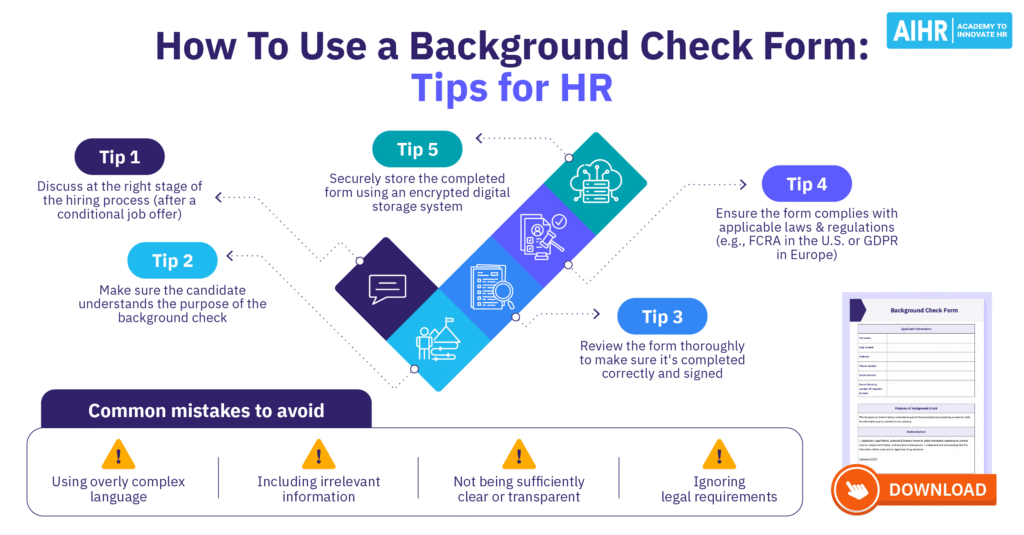
You cannot run a background check without permission. The FCRA mandates that you provide the candidate with a clear and conspicuous disclosure that a background check may be conducted. This document must be a standalone document; you cannot bury it in a job application.
After providing this disclosure, you must get the candidate’s written authorization in the form of a signed consent form. Think of this as a foundational step for building trust. When you are transparent about the process early on, candidates respect your professionalism. It also sets a clear expectation that you prioritize the safety of your clients and your business.
Step 3: Choose a Reliable Background Check Provider
You might be tempted to run a quick internet search to save money, but this is a mistake. You need to work with a professional Consumer Reporting Agency (CRA) that is FCRA-compliant. These agencies dig deeper and provide more reliable information than a simple web search.
When selecting a provider, look for one that clearly explains their process, what their search packages include, and how they handle data security. It is also important to choose a company that offers a dedicated “adverse action” support service to ensure you handle negative results properly. For a small agency, you might not need the most expensive package, but you do need a provider that understands the legal and compliance side of the business.
Step 4: Run the Checks
Once the consent is signed and the provider is chosen, you can finally run the checks. This is the core of the process, and it should be systematic.
Identity Verification
This is the starting point for all other checks. The provider will confirm the candidate’s identity using public records. If the name and Social Security Number don’t match, this is a major red flag. It could indicate identity theft or a false application.
Suggested read: Travel Business Checks: A Complete Guide to Compliance and Verification
Criminal Record Search
This search should cover not just the candidate’s current county of residence but also previous addresses, state records, and federal court records. A comprehensive search is essential to find any offenses that a suspect may have committed in another state.
Employment and Reference Verification
Verifying prior employment serves two purposes. First, it confirms that the candidate is telling the truth about their experience. Second, it gives you a chance to speak with past employers about their performance and reliability. When you make these calls, ask open-ended questions. “On a scale of 1 to 10, how reliable was this employee in meeting deadlines?” can yield far more insight than simply asking, “Would you rehire them?”
Professional License and Credential Verification
This is a key differentiator for the travel industry. If an agent claims to have IATA accreditation or is a member of ASTA, verify this with the respective organization. These credentials are not just stickers on a website; they represent a standard of professionalism and access to industry resources. A candidate with these certifications demonstrates a commitment to the travel industry that a candidate without them may lack.
Step 5: Review Results Fairly and Avoid Discrimination
Background checks are a tool for decision-making, not a “yes” or “no” button on a candidate. When you review the results, you must consider the relevance and context of any findings. For example, a DUI from 15 years ago might be less relevant to a travel agent role than a recent fraud conviction. Always review the nature of the offense, how long ago it occurred, and its relationship to the job duties—a concept known as the EEOC “Guidance on the Consideration of Arrest and Conviction Records.”
You must also be cautious about how you use credit history. While it can be relevant for a role that requires handling money, it can also have a disparate impact on certain groups. Ensure that any credit check is strictly “job-related” and is not a blanket policy for all employees. The Equal Employment Opportunity Commission (EEOC) actively investigates hiring practices that lead to unfair discrimination.
Step 6: Handle Adverse Actions Properly
If you decide not to hire a candidate based in whole or in part on the background report, you must follow a specific legal process. This is the most critical step to avoid a lawsuit for FCRA violations.
Provide a “Pre-Adverse Action” Notice: Before you finalize your decision, you must provide the candidate with a copy of the report and a summary of their rights under the FCRA. This gives them a chance to explain or dispute the information.
Wait a Reasonable Time: Allow the candidate at least a few days to review the report and respond.
Issue the “Adverse Action” Notice: If you still decide to move forward with the rejection, you must provide a formal notification stating that you are not hiring them based on all or part of the background report.
This might seem like a lot of paperwork, but it is designed to protect your agency from legal liability. Think of it as a final safety net for the process.
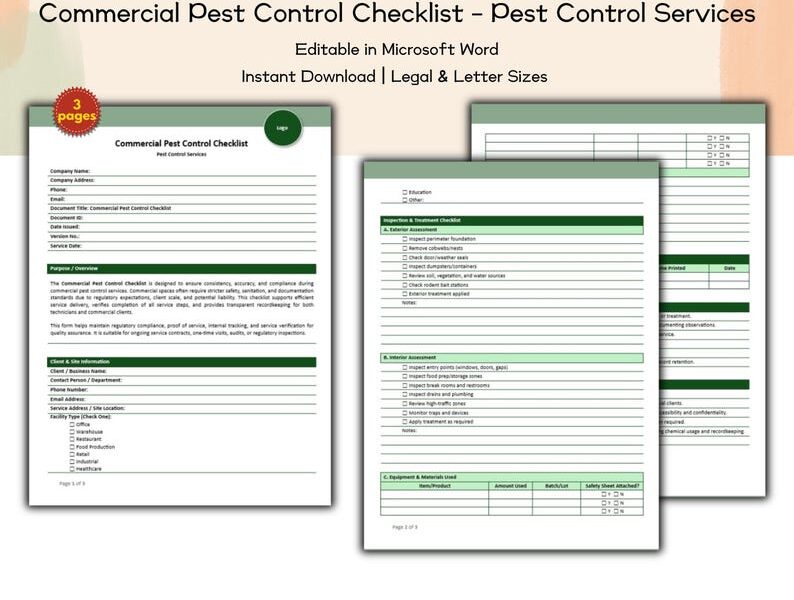
Suggested read: Commercial Kitchen Pest Inspection Checklist
Step 7: Keep Records and Create a Repeatable Onboarding Process
The final step is to systematize everything you’ve learned. Document the process you’ve established and create a checklist that you can use for every new hire. This ensures that you don’t miss a critical step in the rush of a busy season.
Create a secure digital folder for every candidate where you store their signed consent forms, the background report, and any communication related to adverse actions. According to FCRA guidelines, you must follow the retention schedule of your state. Keeping this information organized and private protects your agency and provides a clear audit trail if your hiring decision is ever challenged.
Frequently Asked Questions
Do travel agents need a specific background check?
Yes, travel agents should undergo a comprehensive check that includes identity verification, criminal history, employment verification, and a review of relevant industry credentials like IATA accreditation or ASTA membership. This is specifically tailored to protect your clients’ safety and finances.
Is written consent required before running a background check?
Absolutely. Under the Fair Credit Reporting Act (FCRA), you must provide the candidate with a clear disclosure and obtain written consent before you can order any consumer report from a third-party agency.
How long does a travel agent background check take?
Depending on the complexity of the check and the responsiveness of previous employers and educational institutions, it can take anywhere from a few days to a couple of weeks. Your provider should give you a clear timeline.
What should an agency do if a background check reveals a criminal record?
It is not an automatic disqualification. You must review the results fairly, consider the nature and the age of the offense, and its relevance to the job duties. If you decide to reject the candidate, you must follow the formal adverse action process as required by federal law.
Are there travel industry-specific certifications to verify?
Yes, verifying professional credentials like IATA accreditation or ASTA membership is critical. These certifications go a long way in confirming a candidate’s professional legitimacy and standing in the travel industry.
Conclusion: Empowering Your Agency to Hire Confidently
Running a background check on a travel agent is a critical professional practice. It is not about distrusting a candidate; it is about protecting your clients, your team, and the reputation you have worked so hard to build. By following this structured process, you can ensure that you are not only legally compliant but also making the best hiring decisions for your agency.
The process can seem complex, especially for smaller boutique agencies without a dedicated HR department. But you do not need to do it all on your own. The key is to build a solid, repeatable framework and then rely on a reputable background check provider to handle the heavy lifting.
When you are transparent with candidates and consistent in your process, you will find the great agents who will contribute to your team’s success. Start by writing your background check policy today. Then, consult with a legal professional to ensure you are compliant with all state and federal regulations. Your clients will thank you.
Suggested read: Commercial Kitchen Pest Control: Complete Beginner Guide
For a related perspective, see our travel business checks.
Sources & References
- Source: ASTA – American Society of Travel Advisors (industry)
ASTA is the leading trade association for travel professionals; its official domain details membership standards and ethical codes, useful for verifying a candidate's professional legitimacy. [verified topical overlap: travel] - Source: IATA – International Air Transport Association (industry)
Official IATA homepage; the travel agent accreditation program is described under the 'Programs' section. IATA accreditation is a recognized industry credential mentioned in the article. [verified topical overlap: travel, agent]