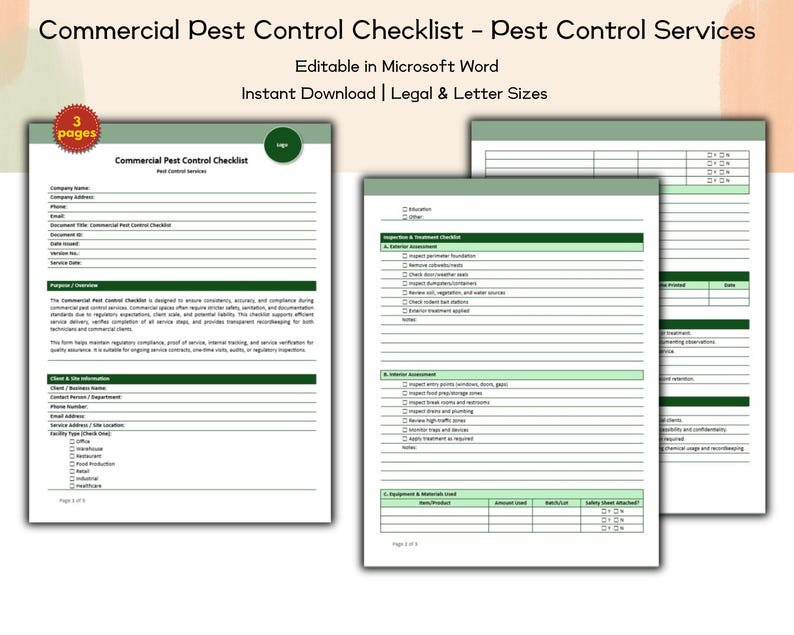
Commercial Kitchen Pest Inspection Checklist
When a health inspector enters your commercial kitchen, they are trained to identify conditions that threaten food safety, and few issues raise red flags faster than evidence of pest activity. A single mouse dropping near a prep station or a cockroach scurrying across a floor tile can result in immediate citations, operational restrictions, or temporary closure orders.
This comprehensive checklist covers exactly what inspectors evaluate during pest-focused inspections and provides actionable steps to help commercial kitchen operators maintain full compliance with health regulations.
Understanding the Health Inspection Context
Health inspections in commercial kitchens typically occur two to four times annually, depending on your jurisdiction and establishment type. Routine inspections may cover all compliance areas, but inspectors are authorized to conduct focused inspections or follow-up visits specifically targeting pest-related complaints or previous violations.
According to the FDA Food Code, food establishments must maintain conditions that prevent pest harborage and entry. Inspectors evaluate whether your facility meets these standards during every visit. Understanding this context helps operators recognize that pest control is not a one-time remediation project but an ongoing compliance requirement.
Inspection frequency may increase following complaints, documented violations, or reported illness outbreaks. Being prepared at all times rather than only before scheduled inspections demonstrates genuine commitment to food safety and typically results in better inspection outcomes.
Entry Points and Exterior Perimeters
Inspectors often begin their evaluation outside the building, looking for gaps in doors, windows, vents, and utility penetrations. These exterior vulnerabilities represent the first line of defense against pest intrusion.
During exterior inspections, health officials check for damaged door sweeps, examine screen integrity, and identify any openings that could allow pest entry. Gaps larger than one-quarter inch are common violation triggers because mice can squeeze through surprisingly small spaces. Weather stripping damage, gaps around utility entries, and unsealed ventilation openings all represent potential access points that inspectors will document.
Walk-in cooler condensation drains, exhaust fan screens, and any penetrations where pipes or cables enter the building require careful examination. Operators should regularly inspect these areas and repair damage promptly to maintain compliance between professional pest control visits.
Food Storage Areas
Walk-in coolers, dry storage rooms, and pantry locations receive close attention during every inspection. Inspectors examine these areas methodically, looking for multiple indicators of pest activity.
Suggested read: How to Run Travel Agent Background Checks: Step-by-Step
In storage areas, inspectors specifically look for droppings or urine stains on shelves and product containers. Gnaw marks on cardboard, plastic, or wood packaging materials indicate rodent activity. Holes in packaging suggest that rodents have accessed stored goods. Nesting materials such as shredded paper, fabric, or insulation found in corners or behind products signal established pest populations.
All food storage areas should maintain proper rotation practices with older products in front. Products showing any signs of pest damage must be removed immediately and disposed of properly. Inspectors pay particular attention to items stored directly on floors, which should always be elevated on pallets or shelving to allow inspection underneath.
Food Preparation Zones
Any evidence of pests near food preparation surfaces results in serious citations because contamination risks are highest in these areas. Inspectors examine spaces under equipment, behind prep tables, and inside utensil storage compartments.
They pay particular attention to areas behind and beneath cooking equipment where grease accumulation creates attractive conditions for cockroaches and other insects. These warm, dark spaces with available food particles represent ideal harborage locations that require regular cleaning and monitoring.
Equipment gaps deserve special attention. Spaces between commercial equipment and walls frequently reveal cockroach activity, and inspectors may move equipment or use flashlights to examine these hidden zones. Any gap exceeding a quarter inch can serve as a cockroach harborage site and should be sealed or addressed through regular treatment.
Drains and Plumbing Access Points
Floor drains, mop sinks, and plumbing penetrations provide pest entry routes and harborage areas that require regular maintenance attention. Inspectors check for accumulated debris, slow drainage that creates moisture problems, and any gaps around pipe entries into walls or floors.
American cockroaches commonly prefer damp locations like drains, so these areas receive particular scrutiny during inspections. Keeping drains clean and functional reduces the attractiveness of these spaces to pests. Any gaps around pipe entries should be sealed with appropriate materials to prevent pest access through these utility pathways.
Moisture problems throughout the kitchen create conditions favorable to multiple pest species. Standing water, condensation on cold surfaces, and inadequate ventilation all contribute to pest harborage conditions that inspectors will document as violations requiring correction.
Waste Management Areas
Trash rooms, dumpster enclosures, and grease interceptor locations attract pests when not properly maintained. Inspectors evaluate whether waste receptacles have tight-fitting lids, whether dumpster areas are clean, and whether pest control monitoring stations exist in these high-risk zones.
Outdoor waste areas should be maintained with regular cleaning schedules. Dumpsters should close securely, and the surrounding concrete pad should be free of accumulated debris and standing liquid. Grease interceptor locations require similar attention, as the organic matter in these systems provides food sources and harborage for multiple pest species.
Suggested read: Why Employee Background Checks for Travel Businesses Matter
Indoor waste containers need lids that fit securely and should be emptied regularly. The trash storage area should be clean, dry, and organized to allow easy inspection and prevent pest attraction. Regular waste removal prevents the conditions that lead to pest problems in these areas.
Pests of Primary Concern
Health inspectors are trained to recognize signs of specific pest categories. Understanding what they look for helps operators focus monitoring and prevention efforts on the areas of highest risk.
Rodents
Mice and rats pose significant food safety risks through direct contamination and structural damage. Inspectors look for droppings near food sources, in drawers, and along wall edges. These droppings indicate active rodent traffic patterns and potential nesting locations.
Gnaw marks on packaging, electrical wiring, and structural materials demonstrate chewing activity that can damage equipment and create fire hazards. Inspectors also look for grease rub marks along rodent pathways, nesting materials in storage areas and equipment bases, and any live animals or recent carcass discoveries.
Cockroaches
Cockroach infestations indicate sanitation deficiencies and create direct contamination risks. Inspectors look for live insects, egg casings known as oothecae, shed skins, and fecal deposits that appear as dark specks or smears on surfaces.
German cockroaches commonly infest food prep areas, particularly in warm locations near cooking equipment. American cockroaches prefer damp locations like drains and basement areas. The presence of any live cockroaches typically results in serious citations because these insects reproduce rapidly and indicate underlying sanitation problems.
Flies
Fly activity suggests sanitation problems or inadequate screening. Inspectors categorize fly issues as either filth flies such as house flies and blow flies that feed on garbage, or biting flies which may indicate rodent problems. More than occasional fly sightings trigger documentation requirements and correction mandates.
Inspectors examine fly lights, check door sweeps for gaps that allow entry, and look for breeding sources in drains, trash areas, and anywhere organic material accumulates. Addressing fly problems requires eliminating both the adult insects and their breeding sites.
Stored Product Pests
Beetles, weevils, moths, and mites infest dry goods and packaged foods. Inspectors check stored products for webbing, exit holes, live insects, and damaged packaging. Infestations in pantry items result in immediate product condemnation and typically trigger broader inspection of all dry storage areas.
Documentation Requirements
Most jurisdictions require operators to maintain pest control records demonstrating ongoing management efforts. Inspectors commonly request current contracts with licensed pest control companies, service logs from the past twelve months, and pest control inspection reports.
Suggested read: Travel Business Checks: A Complete Guide to Compliance and Verification
Monitoring station location maps and check records show that your establishment actively tracks pest activity rather than waiting for problems to become visible. Treatment records including any pesticide applications demonstrate that your pest management program follows regulatory requirements and uses appropriate methods.
Organizing these records in a dedicated binder or digital system before inspections demonstrates proactive management and regulatory compliance. Records should be current, complete, and readily accessible so that documentation deficiencies do not distract from otherwise satisfactory inspection results.
Inspection Preparation Timeline
Effective preparation combines facility maintenance, staff awareness, and documentation readiness. Distributing preparation tasks over several weeks prevents last-minute problems and ensures thorough coverage of all inspection requirements.
Two weeks before inspection: Schedule a professional pest control inspection if one is due. Review all pest control service records for completeness and accuracy. Inspect exterior entry points and repair any gaps you discover. Clean behind and beneath all equipment. Verify that monitoring stations are accessible and properly documented.
One week before inspection: Conduct an internal walkthrough looking for any pest evidence you may have missed. Check all food storage areas for signs of activity. Verify expiration dates and remove any compromised products. Clean drains and remove accumulated debris. Ensure trash containers have functional lids and the waste area is clean.
Day of inspection: Keep pest control documentation readily accessible in a single location. Designate a staff member to accompany the inspector and answer questions. Document any pest activity discovered during your self-inspection. Ensure all food preparation surfaces are clean and ready for examination. Verify no standing water or moisture problems exist in any area.
Prevention Through Integrated Pest Management
The FDA Food Code and most health departments favor Integrated Pest Management approaches over chemical treatments alone. IPM combines structural prevention, sanitation, monitoring, and targeted treatments to address root causes rather than symptoms.
Effective IPM implementation includes regular monitoring station checks, staff training on pest identification and reporting, prompt remediation of moisture issues, proper food storage practices, and scheduled professional inspections. This proactive approach demonstrates to inspectors that your establishment prioritizes prevention rather than reacting to infestations after they become established.
Structural prevention focuses on eliminating entry points and harborage sites. Sanitation removes food sources and breeding areas. Monitoring provides early detection that allows treatment before populations establish. This comprehensive strategy typically results in fewer pest problems and better inspection outcomes than relying solely on chemical treatments.
Common Violations and Remediation
Several pest-related violations appear frequently during health inspections. Understanding these common issues helps operators prioritize prevention efforts where they are most needed.
Suggested read: Commercial Kitchen Pest Control: Complete Beginner Guide
Unsatisfactory conditions attracting pests can be addressed through enhanced cleaning schedules and clear staff accountability for sanitation duties. Gap points allowing entry require sealing openings in walls, floors, and around utilities. Inadequate waste management needs proper containment, frequent removal schedules, and regular area cleaning protocols.
Moisture accumulation problems require repairing leaks, improving ventilation, and addressing condensation issues throughout the facility. Missing or damaged door sweeps need replacement of weather stripping and door seals. Each of these violations points to underlying conditions that allow pests to enter and establish themselves in your facility.
What Happens When Inspections Fail
Pest-related violations range from documentation citations to immediate closure orders depending on severity and the specific conditions observed. Common consequences include written citations requiring correction within specified timeframes and monetary fines that vary by jurisdiction and violation severity.
Operators should expect required reinspection to verify remediation has been completed. Temporary suspension of food service permits may occur for severe infestations. Many jurisdictions require public posting of inspection grades or citations, and ongoing compliance issues can damage customer confidence and establishment reputation.
Immediate closure orders typically occur only when inspectors observe live pest activity in food preparation areas, active rodent pathways, or evidence of widespread infestation. Most violations can be corrected before reaching this threshold with proper preparation and consistent maintenance practices.
Key Takeaways
Health inspectors examine entry points, storage areas, equipment gaps, drains, and structural vulnerabilities for pest evidence during every visit. Rodents, cockroaches, flies, and stored product pests represent the primary concerns in food service environments.
Documentation of pest control services is typically required during inspections, and organized records demonstrate proactive management. Requirements vary by jurisdiction, so operators should verify specific local health department criteria for their location.
Proactive prevention through Integrated Pest Management is preferred over reactive treatments, and inspectors favor facilities that demonstrate ongoing commitment to addressing conditions that lead to pest problems. Regular maintenance, staff awareness, and consistent documentation create the foundation for inspection success.
Thorough preparation significantly improves inspection outcomes, but inspectors exercise judgment based on conditions they observe. Maintaining consistent compliance practices throughout the year, rather than viewing preparation as a one-time exercise, represents the most reliable path to sustained inspection success.
For a related perspective, see our commercial kitchen pest control.
Suggested read: Birchwood Kitchen Utensils: Complete Beginner Guide
Sources & References
- Source: EPA Safe Pest Control in Commercial Buildings (official)
EPA guidance on pest control applications and documentation requirements for commercial facilities - Source: NPMA Commercial Food Facility Pest Management Guidelines (industry)
Professional pest management association resources on commercial kitchen pest identification, prevention, and documentation standards