Commercial Kitchen Pest Control: Complete Beginner Guide
Every commercial kitchen faces a constant threat that most diners never see: pests. Rodents, cockroaches, flies, and ants can contaminate food supplies, damage equipment, and create health code violations that shut down operations. For restaurant owners and food service managers, understanding commercial pest control services is not optional—it is essential for staying in business.
A single health inspection failure due to pests can result in fines, temporary closure, and lasting reputational damage. The good news is that most infestations are preventable with proper protocols and early intervention. This guide walks beginners through identifying common pests, implementing prevention strategies, and knowing when to call professionals.
Key Takeaways
- Sanitation and exclusion eliminate approximately 80% of pest problems in commercial kitchens
- Monthly professional inspections combined with weekly internal checks provide adequate monitoring for most facilities
- Integrated pest management (IPM) offers the safest and most effective approach for food service environments
- All pest control products used must be EPA-approved for food handling facilities
- Staff training and documentation are as critical as treatment itself for maintaining compliance
Common Commercial Kitchen Pests and Identification
Recognizing pests early prevents small problems from becoming infestations. Each species presents distinct warning signs.
Rodents
Mice and rats enter kitchens seeking food and shelter. Look for droppings near baseboards, gnaw marks on packaging, and greasy rub marks along walls where rodents travel. Rodents pose serious health risks, contaminating surfaces and food with bacteria including Salmonella. Their ability to squeeze through gaps as small as a quarter-inch makes complete exclusion challenging.
Cockroaches
German cockroaches are the most common species in food service settings. These brown insects hide in warm, dark areas near food preparation zones—behind equipment, inside cabinets, and around plumbing. Signs include fecal smears resembling pepper grains, shed skins, and musty odors. Cockroaches spread pathogens and trigger allergic reactions, making them particularly dangerous in kitchens.
Flies
House flies and fruit flies contaminate food by landing on surfaces after contacting garbage or decaying matter. Fruit flies gravitate toward ripe produce and sugary residues, while house flies indicate broader sanitation problems. Both species breed rapidly, with female flies capable of laying hundreds of eggs in decomposing organic material.
Ants
Odorous house ants and Argentine ants commonly infiltrate kitchens, following scent trails to food sources. Carpenter ants pose additional risks by damaging wooden structures. Ant infestations often indicate accessible food or water sources that need addressing.
Prevention Strategies: Your First Line of Defense
Effective commercial kitchen pest control starts with prevention. Addressing sanitation, entry points, and storage practices eliminates conditions that attract pests.
Sanitation Protocols
Clean surfaces daily, paying special attention to areas beneath and behind equipment where grease and crumbs accumulate. Establish end-of-day cleaning routines that include sweeping, mopping, and degreasing cooking surfaces. Store food in sealed containers and rotate stock using FIFO (first in, first out) principles.
Suggested read: How to Run Travel Agent Background Checks: Step-by-Step
Exclusion and Sealing
Inspect the building envelope regularly. Seal cracks in foundations, gaps around pipes and conduits, and any opening larger than one-quarter inch. Install door sweeps and repair damaged screens. Pay attention to ventilation openings—these require properly fitted screens to prevent pest entry while maintaining airflow.
Waste Management
Store waste in sealed containers away from building entrances. Empty trash frequently and clean containers to remove residue that attracts pests. Outdoor dumpster areas should be located away from doors and maintained regularly.
Storage Best Practices
Raise storage containers at least six inches off the floor using shelving units. Keep dry goods in airtight containers. Inspect incoming deliveries for signs of infestation before accepting them into your facility.
Monitoring and Early Detection Systems
Regular monitoring catches problems before they escalate. Establish inspection routines that cover high-risk areas systematically.
Inspection Schedule
Conduct thorough visual inspections weekly, examining areas behind and beneath equipment, storage rooms, and entry points. Document findings in a maintenance log. Professional pest control technicians should perform more comprehensive assessments monthly—more frequently for high-volume operations or history of issues.
Monitoring Tools
Place glue traps along walls and in corners where pests travel. Position rodent stations outside the building perimeter. Some facilities invest in electronic monitoring systems that alert operators to pest activity, though these complement rather than replace regular inspections.
Documentation Practices
Maintain records of all inspections, treatments, and findings. Documentation serves dual purposes: it helps identify patterns and demonstrates compliance during health department visits. Include dates, areas inspected, observations, and corrective actions taken.
Treatment Options: From IPM to Professional Services
When prevention fails, treatment becomes necessary. The integrated pest management approach prioritizes safe, targeted methods suitable for food handling environments.
Integrated Pest Management (IPM)
IPM combines multiple strategies: cultural practices (sanitation, exclusion), mechanical methods (traps, barriers), biological controls, and chemical treatments used as a last resort. This approach minimizes pesticide exposure while maximizing effectiveness. The Environmental Protection Agency promotes IPM as the preferred framework for food service facilities.
When to Hire Professionals
DIY approaches work for minor issues like single flies or isolated ants. However, any sign of rodents, German cockroach activity, or recurring infestations warrants professional intervention. Licensed pest control technicians possess training, equipment, and access to commercial-grade products that eliminate infestations effectively.
Suggested read: Why Employee Background Checks for Travel Businesses Matter
Treatment Safety
Any pesticide applied in food preparation areas must carry EPA registration for food facility use. Applications must follow label instructions precisely, and treated areas typically require specific waiting periods before surfaces can be used for food handling. Professional technicians understand these protocols and ensure compliance.
Regulatory Compliance and Documentation
Health codes at federal, state, and local levels mandate pest control practices in food service establishments. Understanding these requirements protects your business.
Federal Standards
The FDA Food Code, adopted by most states, requires food establishments to maintain facilities free of pests. It mandates proper storage, waste management, and pest control documentation. The Food Safety Modernization Act (FSMA) further emphasizes proactive prevention measures that include pest management.
State and Local Requirements
Health departments conduct inspections that evaluate pest control compliance. Violations may result in citations, mandatory remediation, fines, or closure. Many jurisdictions require documentation of pest control services, including treatment logs and inspection reports.
Recordkeeping
Keep pest control service agreements, treatment records, inspection reports, and monitoring logs on file—typically for at least one year, though some jurisdictions require longer retention. These records demonstrate due diligence during inspections and help identify recurring issues.
Staff Training and Ongoing Maintenance
Your team serves as the first line of defense against infestations. Empowering staff with knowledge and protocols prevents problems and enables early detection.
Training Essentials
All kitchen staff should recognize common pest signs—droppings, gnaw marks, sighting of insects or rodents. Establish clear reporting procedures: whom to notify and how quickly. Train employees on proper food storage, cleanup protocols, and the importance of not leaving food sources accessible during off-hours.
Daily Prevention Habits
Encourage habits that support pest control: wiping spills immediately, storing food properly at shift end, sealing bags and containers, and reporting potential entry points or conditions. These small actions compound into significant protection.
Seasonal Considerations
Pest pressure varies throughout the year. Fall brings increased rodent activity as temperatures drop. Summer increases fly populations. Adjust inspection frequency and preventive measures seasonally to address predictable challenges.
Frequently Asked Questions
How often should a commercial kitchen be inspected for pests?
Professional inspections should occur at least monthly, with internal visual checks conducted weekly. High-risk areas such as storage rooms, dishwashing zones, and near waste containers may require more frequent monitoring depending on your facility’s volume and history.
Suggested read: Travel Business Checks: A Complete Guide to Compliance and Verification
What is the most effective prevention method for commercial kitchen pests?
Sanitation and exclusion address approximately 80% of pest problems. Eliminating food sources, sealing entry points, and maintaining proper waste management create an environment where pests cannot survive. Chemical treatments support these efforts but cannot substitute for fundamental cleanliness and structural integrity.
Can commercial kitchens use the same pest control products as residential settings?
No. Commercial kitchens must use EPA-registered products specifically approved for food service environments. Application must follow strict protocols to prevent contamination of food and food preparation surfaces. Licensed pest control professionals understand which products meet these requirements.
What are the penalties for failing a health inspection due to pests?
Penalties vary by jurisdiction but may include fines, temporary closure, mandatory remediation plans, and in severe or repeated cases, permanent license revocation. Beyond regulatory consequences, infestations damage reputation and customer trust irreparably.
What should I look for when hiring a commercial pest control service?
Verify licensing and certifications specific to commercial food service. Ask about their experience with restaurants similar to yours and request references. Inquire about their IPM approach and whether they provide documentation and reporting suitable for health inspection compliance.
Conclusion
Commercial kitchen pest control requires consistent attention rather than occasional reactions. By prioritizing sanitation, implementing exclusion measures, training staff to recognize early warning signs, and partnering with qualified professionals, you create a defensible barrier against infestations.
The investment in prevention pays dividends: fewer health code violations, protected customer trust, and reduced treatment costs over time. Start with the fundamentals outlined here, establish documented protocols, and maintain vigilance. Your kitchen’s reputation depends on it.
Consult with a licensed pest control professional to develop a customized IPM plan suited to your facility’s specific needs and local regulatory requirements.
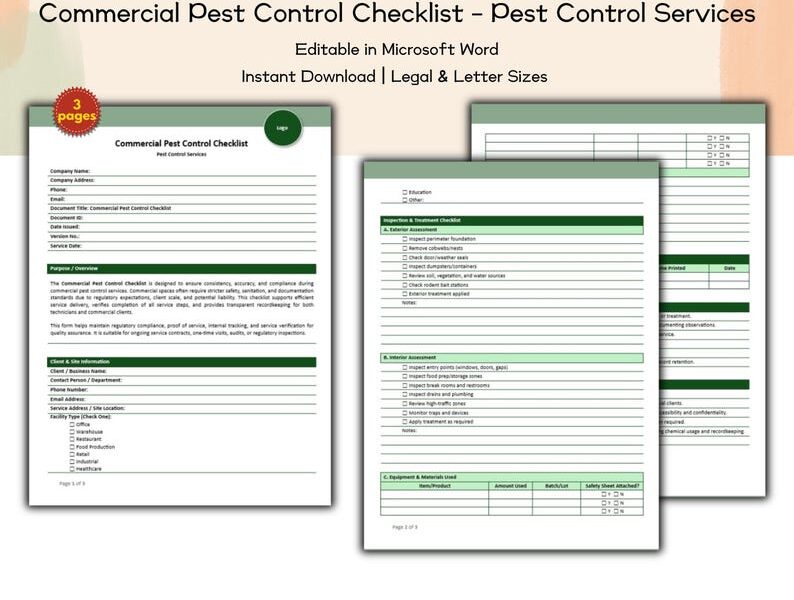
For a related perspective, see our commercial kitchen pest inspection checklist.
Sources
Sources & References
- Source: University of California IPM: Commercial Food Facilities (research)
Academic research on integrated pest management (IPM) effectiveness in commercial food settings - Source: NPMA: Commercial Kitchen Pest Control Best Practices (industry)
Professional pest management association resources on integrated pest management for food service environments