[“# what to eat after tooth extraction: Guide to Post-Surgery Nutrition”, “Recovering from a tooth extraction is a crucial time for your oral health, and proper nutrition plays a key role in healing. What you eat—or avoid—immediately after a tooth extraction can significantly impact recovery speed, comfort, and overall outcome. This guide provides essential information on post-extraction diets, foods to eat, and which ones to avoid for optimal healing.”, “—“, “## Why Nutrition Matters After Tooth Extraction”, “Tooth extraction is a minor surgical procedure that disrupts the oral tissues and blood vessels. Nutrition supports your body’s natural healing process by supplying vital nutrients like protein, vitamins C and D, zinc, and iron, which boost immune function and tissue repair. Eating the right foods helps reduce inflammation, prevent infection, and maintain strength during recovery.”, “—“, “## Immediate Post-Extraction Dietary Guidelines”, “### During the First 24–48 Hours”, “- Restrict solid foods to allow blood clots to form—critical for proper healing. A clotted blood plug stabilizes the socket and protects underlying tissues.
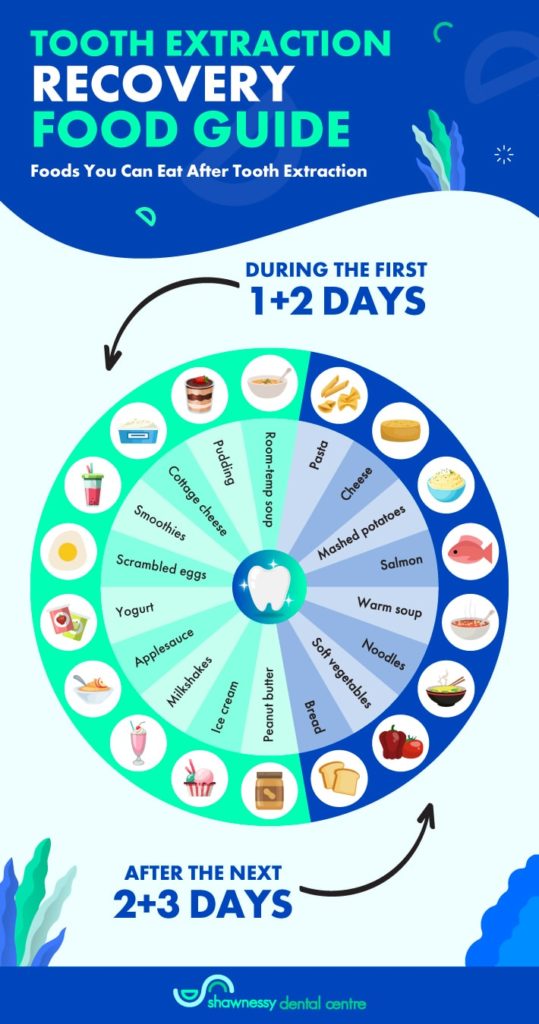
– Stick to cool, soft foods and liquids that minimize irritation and risk of dislodging the clot.
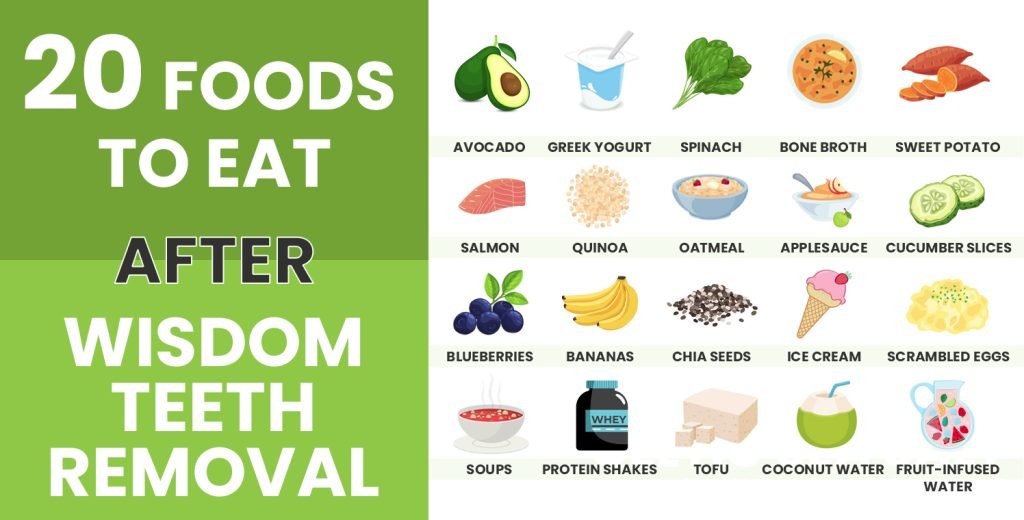
– Avoid hot, spicy, crunchy, or acidic foods that can cause burning, dry socket, or discomfort.”, “### After the First Day – Gradual Reintroduction”, “Begin incorporating nutrient-rich, easy-to-chew foods as your energy and mouth sensitivity improve. Choose textures that require minimal chewing and are not too hot or cold.”, “—“, “## Best Foods to Eat After Tooth Extraction”, “### Soft, Easy-to-Swallow Options”, “- Soups (blended or broth-based) — creatine, avocado, or vegetable soups provide protein and hydration without irritation.
– Yogurt (plain or Greek) — rich in protein and probiotics, which support gum health and immunity.
– Applesauce or mashed bananas — gentle, low-fiber, and soothing for sensitive areas.
– Scrambled eggs or egg custard — high in protein and gentle on the extraction site.
– Smoothies — blend spinach, banana, whey protein, and almond milk for a nutrient-dense drink.
– Oatmeal or cream of wheat — soft, warm, and nutritious; avoid added sugar.
– Avocado mash — loaded with healthy fats and vitamins A and C, great for healing.
– Cottage cheese (softened) — soft, high in protein, and supportive of tissue repair.”, “—“, “## Foods to Avoid After Tooth Extraction”, “- Hot beverages or soups — avoid boiling liquids that could burn the extraction site.
– Spicy, acidic, or overly salty foods — can sting and irritate healing tissues.
– Crunchy foods (e.g., raw vegetables, chips) — risky for dislodging blood clots.
– Actions or hard candies — hard textures may interfere with healing and pain control.
– Alcohol and smoking — both slow healing and increase infection risk.
– Carbonated drinks — bubbles may disturb the clot and cause discomfort.”, “—“, “## Fact: Soft Diet Timing Helps Healing”, “Most dentists recommend a soft diet for 3–7 days post-extraction, depending on the complexity of the procedure. Starting with cool and soft foods helps reduce swelling, minimizes strain, and keeps you nourished without irritation.”, “—“, “## Key Nutrients for Optimal Recovery”, “| Nutrient | Foods Sources | Role in Healing |
|——————|———————————-|—————————————-|
| Protein | Yogurt, eggs, smoothies, cottage cheese | Repairs tissues and boosts immunity |
| Vitamin C | Mashed potatoes, spinach purée | Collagen production and wound healing |
| Vitamin D | Fortified yogurt, egg yolks | Supports bone regeneration |
| Zinc | Soft nut pastes (if tolerated) | Immune support and cell repair |
| Iron | Mashed, soft iron-fortified cereals | Prevents anemia and supports healing |”, “—“, “## Practical Tips for Eating After Extraction”, “- Stay hydrated with room-temperature fluids like herbal teas or warm water with lemon (if comfortable).
– Use a spoon instead of a straw to avoid pressure on the socket.
– Rinse cautiously with salt water after 24 hours, but avoid vigorous rinsing for the first 2–3 days.
– Eat small, frequent meals to maintain energy without overwhelming your mouth.”, “—“, “## When to Seek Medical Advice”, “Contact your dentist or oral surgeon immediately if:
– You experience severe pain not relieved by medication
– The socket shows signs of infection (pus, swelling, foul odor)
– Bleeding persists for more than 24 hours
– A dry socket develops (common 3–5 days post-op, characterized by pain and visible bone)”, “—“, “## Conclusion”, “Eating the right foods after a tooth extraction supports efficient healing, reduces discomfort, and protects your recovering mouth. Focus on soft, nutrient-dense, and gentle foods during the first few days, then gradually introduce more variety. Avoid hot, crunchy, spicy, and acidic foods that may delay recovery. With proper nutrition and care, you’ll speed your return to normal eating—and better oral health.”, “If you have any post-op concerns, always consult your dental professional for personalized guidance.”, “—“, “Keywords for SEO:
tooth extraction diet, post-surgery nutrition, soft foods after tooth extraction, what to eat after tooth extraction, foods to avoid after tooth removal, healing after extraction, soft diet recovery, nutrition for oral surgery, manage pain with diet after tooth extraction, best foods for gum healing.”]