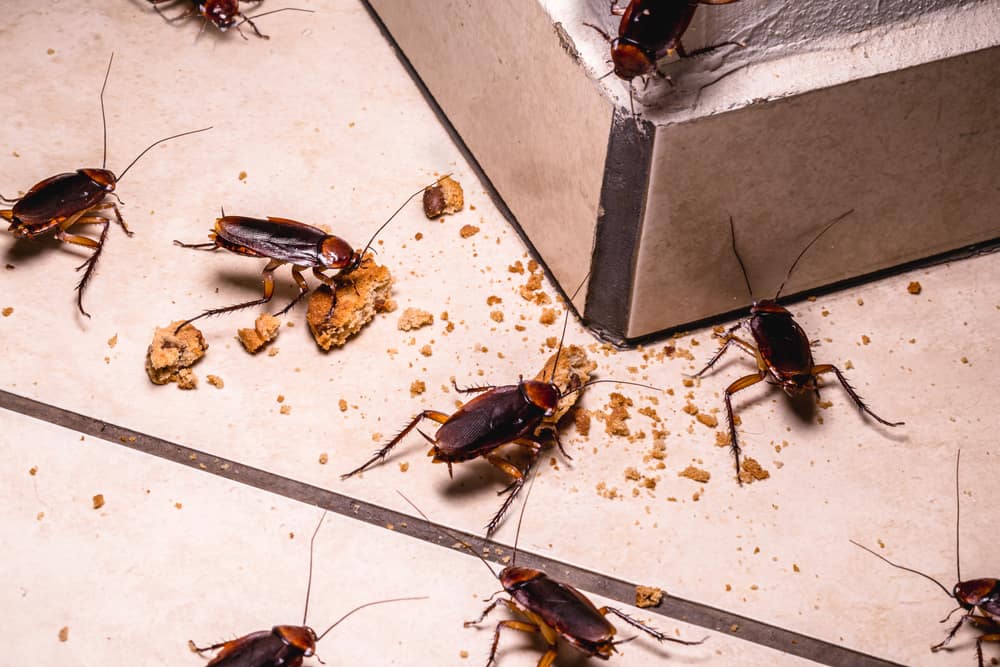
[“what do cockroaches eat? Understanding Their Omnivorous Diet and Feeding Habits“, “Cockroaches are infamous for their resilience and ability to survive in diverse environments, but one of the key reasons for their persistence is their highly adaptable and omnivorous diet. If you’ve ever wondered what do cockroaches eat, understanding their eating habits not only satisfies curiosity but also helps in effective pest control strategies.”, “### The Wide-Ranging Diet of Cockroaches”, “Cockroaches are not picky eaters. In fact, they’ll consume nearly any organic material they can access. Their feeding habits classify them as omnivores, meaning they eat both plant and animal matter. This flexibility allows them to thrive in a variety of environments—from undisturbed forests to urban kitchens and sewers.”, “Common Foods Cockroaches Consume:“, “- Sugars and Starches: Cockroaches are attracted to sweets, starches, and carbohydrate-rich foods such as crumbs, syrups, bread, cereal, and even sticky residues on dishes.
– Proteins and Fats: These scavengers feed on meat, cheese, pet food, and other protein sources. Dead insects and organic debris also contribute to their protein intake.
– Decaying Organic Matter: Cockroaches play a vital clean-up role in nature by breaking down decaying leaves, wood, and plant material—actively recycling nutrients in ecosystems.
– Alcohol and Sugary Liquids: Beer, soda residues, and other fermented products often attract cockroaches due to their attraction to fermenting substances.
– Paper and Glue: Interestingly, they sometimes ingest paper, cardboard, wallpaper paste, and even glue—components often reinforced with starch or starches.
– ** feces and body parts: In extreme conditions, cockroaches practice cannibalism or feed on dead members of their species or other deceased organisms.”, “### Why Cockroaches Eat What They Do”, “Cockroaches rely on their highly developed sensory organs to locate food. Their strong olfactory receptors detect sugars, proteins, and fatty acids from long distances, even in dark or cluttered environments. This ability explains why they infiltrate kitchens, pantries, and food storage areas where food residues accumulate.”, “### Cockroach Diet and Health Risks”, “Because cockroaches scavenge on human food and surfaces, their diet contributes to serious public health concerns. They can transfer bacteria (like Salmonella and E. coli), parasites, and allergens by contaminating food and utensils. This makes understanding what cockroaches eat critical for preventing infestations and maintaining hygiene.”, “### Controlling Cockroach Food Sources”, “Reducing available food sources is one of the most effective ways to deter cockroaches. Sealing food in airtight containers, cleaning up spills immediately, disposing of garbage regularly, and maintaining clean kitchens disrupt their access to nutrition, thereby reducing their ability to thrive.”, “—“, “Conclusion:**”, “Cockroaches are remarkably adaptable creatures whose omnivorous diet fuels their survival across diverse habitats. By understanding what they eat—ranging from sugars and proteins to decaying organic matter—homeowners and pest control experts can implement better prevention and sanitation measures. Keeping cockroach food sources limited is key to keeping these pests at bay and protecting human health and hygiene.”, “If you’re battling a cockroach invasion, remember: eliminating access to food is just as crucial as sanitation and professional pest control. Stay informed—knowing their diet means you’re one step closer to a cockroach-free space.”]