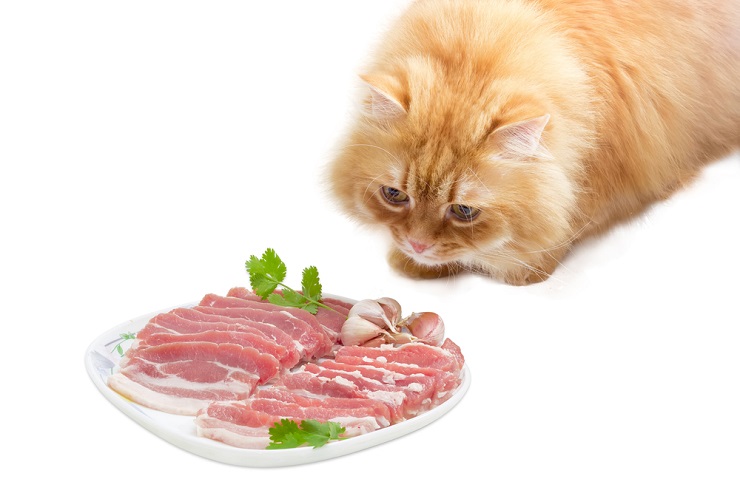
[“can cats eat bacon? A Complete Guide to Feeding Bacon to Your Feline Friend“, “When it comes to human foods, cats often catch our attention with their curious eyes—and sometimes their demanding meows—when we’re enjoying a meal. One popular question among pet owners is: Can cats eat bacon? While it may be tempting to share a savory bite, the short answer is no, bacon is not safe or advisable for cats.”, “In this article, we’ll explore why bacon is unsafe for felines, what’s in bacon that makes it harmful, and what safe alternatives you can offer instead. We’ll also touch on the nutritional needs of cats and how their physiology differs from humans—especially when it comes to salt, fat, and preservatives.”, “—“, “### Why Bacon Is Dangerous for Cats”, “Bacon is a processed meat high in fat, salt, and spices, and although it may smell delicious to us, it poses several risks for cats:”, “#### 1. High Fat Content Can Cause Pancreatitis
Cats have a limited ability to digest high-fat diets. Consuming rich foods like bacon can trigger pancreatitis, an inflammation of the pancreas that can be life-threatening. Symptoms include vomiting, loss of appetite, lethargy, and abdominal pain.”, “#### 2. Excessive Sodium (Salt) Hazards
Most commercial bacon contains large amounts of sodium. Cats are highly sensitive to salt — even small amounts can cause dehydration, electrolyte imbalances, vomiting, or in serious cases, kidney stress.”, “#### 3. Harmful Ingredients and Preservatives
Bacon often contains nitrites, nitrates, and other preservatives that are not meant for feline consumption. These additives can irritate the digestive tract and may pose long-term health risks. Some bacon products also include onion or garlic powder—both toxic to cats.”, “#### 4. Risk of Gastrointestinal Upset and Obesity
Regular exposure to high-fat, high-salt foods increases the risk of digestive problems and weight gain. Obesity in cats leads to serious health issues such as diabetes, arthritis, and heart disease.”, “—“, “### A Feline’s Nutritional Needs Differ from Humans”, “Unlike humans, cats are obligate carnivores, meaning their bodies require specific nutrients found only in animal tissue. Their diet must be rich in animal-based proteins, certain vitamins (like taurine), and minimal carbohydrates. Bacon offers little of these essential nutrients and contains excessive protein alongside harmful additives.”, “—“, “### Safe & Healthy Treat Alternatives for Cats”, “If you’re looking to reward your cat with a treat, consider these safer options:”, “- Commercial cat treats specifically formulated for feline nutrition
– Cooked, unseasoned chicken, turkey, or fish (in small amounts)
– Freeze-dried meat snacks (low sodium, no seasoning)
– Cat-safe catnip or pumpkin puree (for digestion support)”, “Always introduce new foods gradually and monitor for adverse reactions like diarrhea, vomiting, or changes in behavior.”, “—“, “### Final Thoughts”, “While a piece of bacon may seem like a harmless indulgence, it can be harmful—or even dangerous—to your cat. Always prioritize your pet’s health by sticking to foods designed specifically for feline diets. If you ever suspect your cat has eaten bacon or is showing signs of illness after consumption, contact your veterinarian immediately.”, “Remember: Your cat’s well-being is worth more than a fleeting taste of human snack food.”, “—“, “Key SEO Keywords:
Suggested read: What Do Cockroaches Eat? The Complete Guide to Their Diet and Feeding Habits
Can cats eat bacon, is bacon safe for cats, dangers of feeding bacon to cats, toxic foods for cats, safe cat treats, feline nutrition, cats and human food, pet safety, cat health guide”, “Meta Description:
Is bacon safe for your cat? Learn why bacon is dangerous for feline health, why cats shouldn’t eat processed meats, and what safe treat alternatives are best for your pet. Keep your cat safe and healthy!”]
Suggested read: Can Chickens Eat Apples? Nutritional Benefits and Safe Feeding Tips