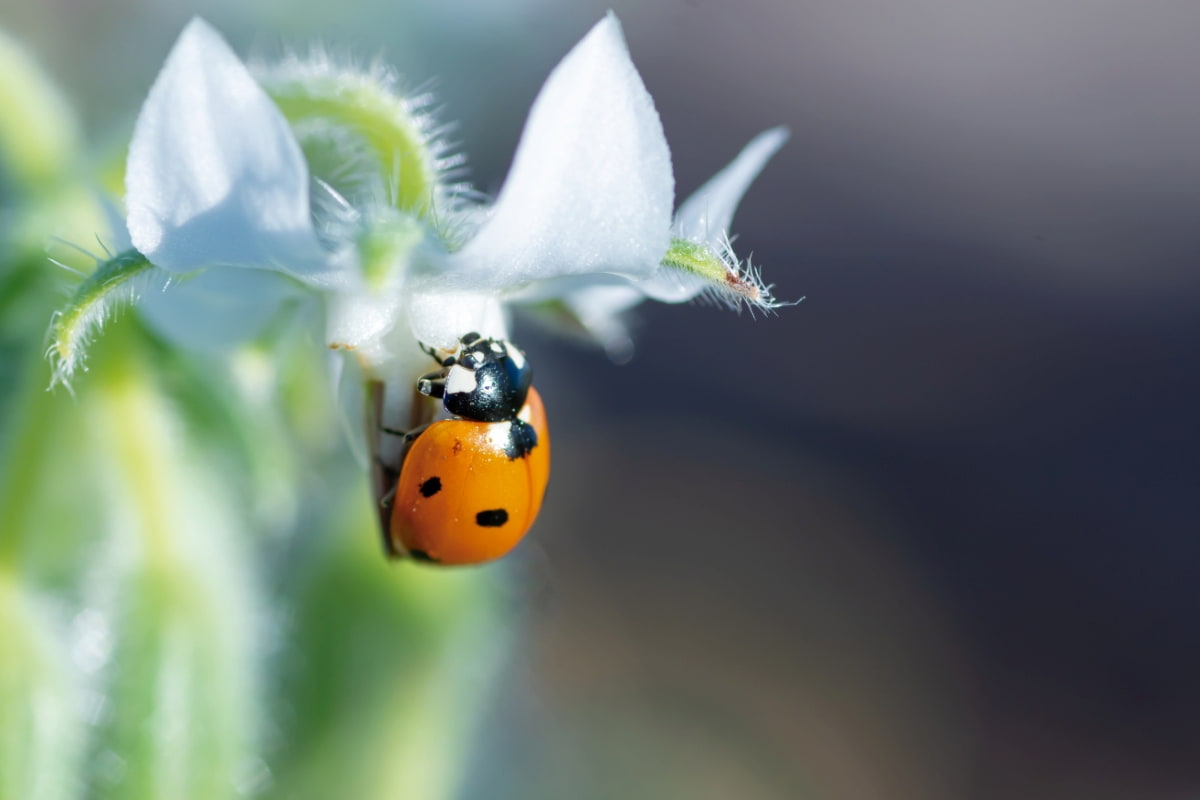
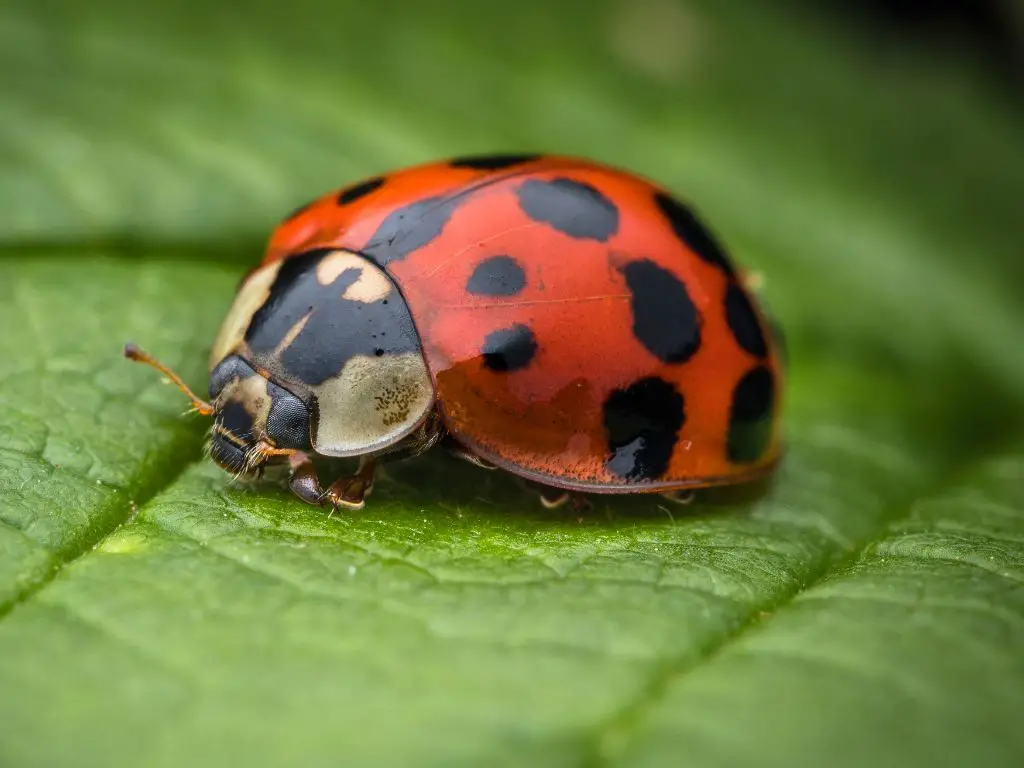
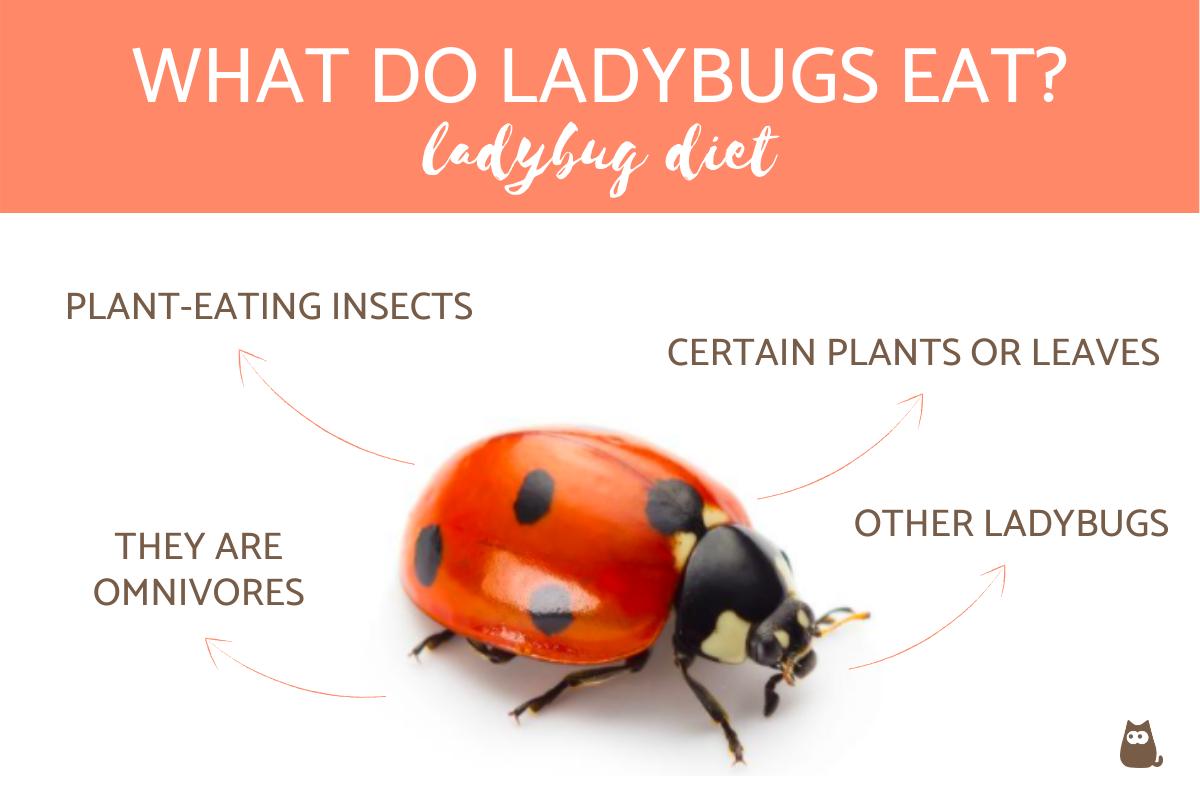
[“what do ladybugs eat? Discover Their Diet and Role in the Ecosystem“, “Ladybugs, often celebrated for their bright red shells polka-dotted with black spots, are more than just charming garden insects — they’re natural pest controllers with a highly specialized diet. If you’ve ever spotted a ladybug lazily crawling across a leaf or flower, you might be curious: what exactly do these beneficial beetles eat?“, “In this comprehensive guide, we’ll explore the fascinating eating habits of ladybugs, their role in maintaining ecological balance, and why they’re valued by farmers and gardeners alike.”, “—“, “### The Main Food Source: Aphids”, “The primary food for most ladybug species is aphids — tiny, sap-sucking insects that damage plants by feeding on their fluids. A single ladybug can consume up to 50 aphids per day — and some species can eat hundreds in a week. This makes ladybugs one of nature’s most effective biological pest control agents.”, “Aphids feed on the sap of plants, weakening them and sometimes spreading diseases. By keeping aphid populations in check, ladybugs protect gardens, crops, and ornamental plants, reducing the need for chemical pesticides.”, “—“, “### What Else Do Ladybugs Eat?”, “While aphids dominate their diet, ladybugs are opportunistic feeders, especially during different life stages and seasons:”, “- Eggs and Larvae: Ladybug larvae hunt a variety of soft-bodied insects, including aphids, mite eggs, and small caterpillars. They are even more voracious than adults when it comes to pest control.”, “- Scale Insects: These small, armored pests that cling to plant stems and leaves are common prey for ladybugs, especially in orchards and gardens.”, “- Whiteflies and Spectrum Insects: Some ladybug species target whiteflies — another category of sap-sucking pests damaging crops and houseplants.”, “- Pollen and Nectar: During times when insect prey is scarce — such as early spring or late fall — adult ladybugs supplement their diet with pollen and nectar. Some species even consume fungal spores and decaying organic matter, though this is secondary.”, “—“, “### Lifecycle and Feeding Behavior”, “Ladybugs pass through four life stages: egg, larva, pupa, and adult. Each stage plays a role in controlling pests, though adults and larvae are far more active predators than the creamy-yellow pupa.”, “Larvae, often mistaken for small alligators due to their spiky appearance, are powerful hunters that consume dozens of aphids daily. As they mature, they transition to a more varied diet, especially as prey availability changes throughout the year.”, “—“, “### Benefits to Gardens and Agriculture”, “By feeding predominantly on harmful pests, ladybugs help maintain a healthy balance in ecosystems. Their natural predation:”, “- Protects crops like roses, citrus trees, beans, and vegetables.
– Reduces damage from invasive species like the invasive green peach aphid.
– Supports sustainable farming by decreasing reliance on chemical pesticides.”, “Farmers and gardeners often encourage ladybug presence by planting nectar-rich flowers and avoiding broad-spectrum insecticides.”, “—“, “### Fun Facts About Ladybug Diets”, “- Ladybugs can detect airborne chemical signals from aphid colonies, helping them locate food sources from far away.
– In addition to aphids, ladybugs help control the spread of plant-killing scale insects and mealybugs.
– Some female ladybugs lay eggs near aphid clusters to ensure offspring immediate access to food.”, “—“, “### Protecting Ladybugs: A Win for Your Garden”, “To support ladybug populations, consider:”, “- Planting flowers like dill, yarrow, fennel, and chamomile to attract adults.
– Avoiding toxic pesticides that harm beneficial insects.
– Providing shelter with leaf litter and undisturbed garden areas.”, “—“, “### Conclusion”, “Ladybugs are nature’s tiny warriors, primarily feeding on aphids but also consuming a variety of agricultural pests and supplementing their diet with pollen when needed. Their diet plays a vital role in managing insect populations, protecting plants, and promoting sustainable ecosystems. Whether in your backyard garden or a sprawling orchard, these dazzling beetles prove that small creatures wield outsized environmental power.”, “If you’re curious about inviting ladybugs into your garden, creating a hospitable habitat could lead to a thriving natural defense against pests — no chemicals required.”, “—“, “Keywords: ladybug diet, what do ladybugs eat, beneficial bugs, aphids, natural pest control, gardening tips, ladybug larvae food, ladybugs and plants, eco-friendly pests control”, “Meta Description: Learn what ladybugs eat — from aphids and scale insects to pollen and nectar — and discover how these beneficial beetles protect gardens and crops naturally.”, “Popularity: This article targets search terms about ladybug consumption habits, ecological roles, pest control benefits, and gardening advice. Optimized for readers interested in beneficial insects and sustainable gardening.”]